
Understanding Plinth Level in Construction
The term "plinth level" refers to the base level of a structure above ground. It plays a crucial role in construction, ensuring that buildings are not only aesthetically pleasing but also structurally sound and safe.
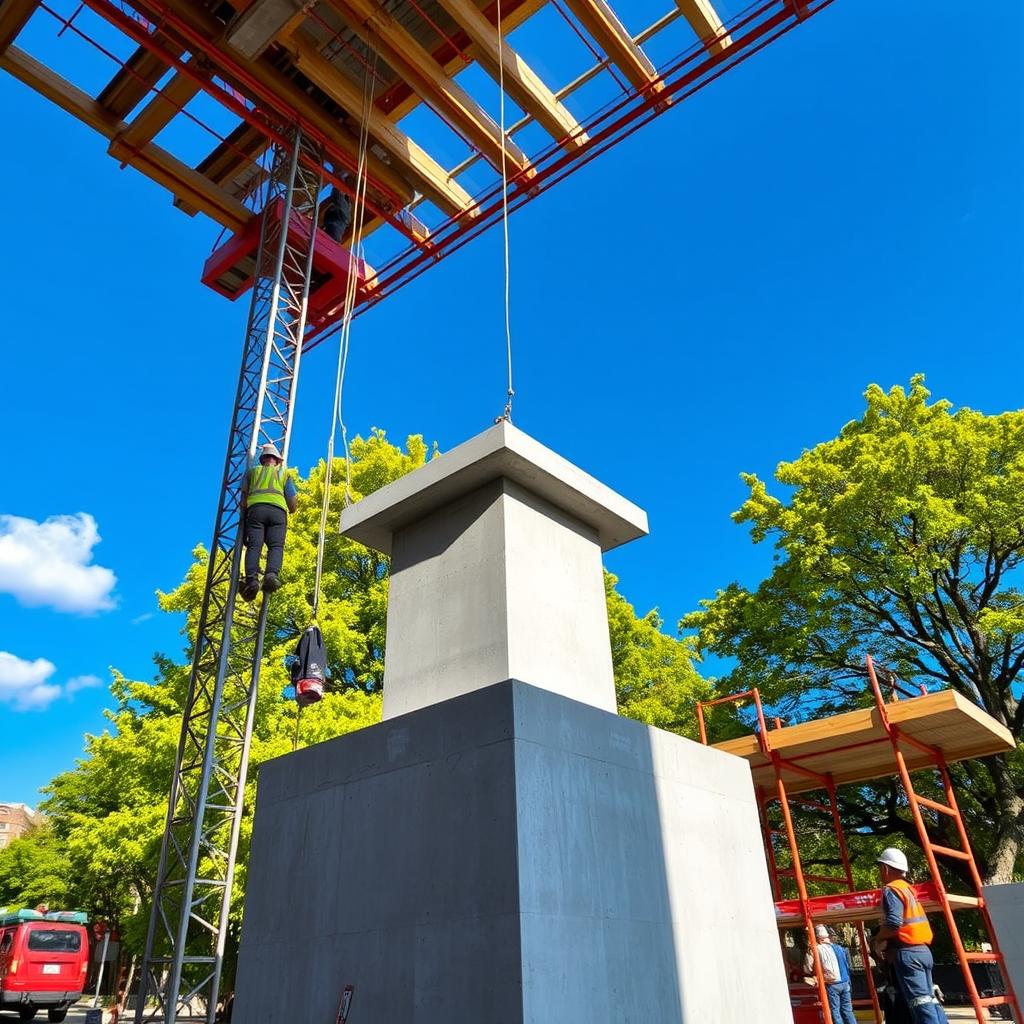
Typically, the plinth level is raised above the natural ground level. This design feature protects buildings from moisture and flooding. It serves as a barrier against water and pests, enhancing durability.
Plinth levels vary according to the regulations and conditions of a given area. Local building codes often dictate the minimum height for the plinth based on environmental factors and construction standards.
Moreover, the construction of the plinth involves creating a solid foundation. This foundation must be well-compacted and designed to support the structure’s weight. Engineers meticulously calculate the required strength and materials.
Setting the correct plinth level is essential for ensuring proper drainage around the building. This helps to prevent water accumulation which can lead to structural damage over time.
In summary, understanding the significance of the plinth level is vital for any construction project. It is instrumental in safeguarding buildings and ensuring longevity against various environmental challenges.


0 Comments