
Understanding Control Joints in Construction
In the world of construction, control joints play a crucial role in maintaining the integrity of structures. These joints are specifically designed to control cracking that might occur due to various types of stresses.
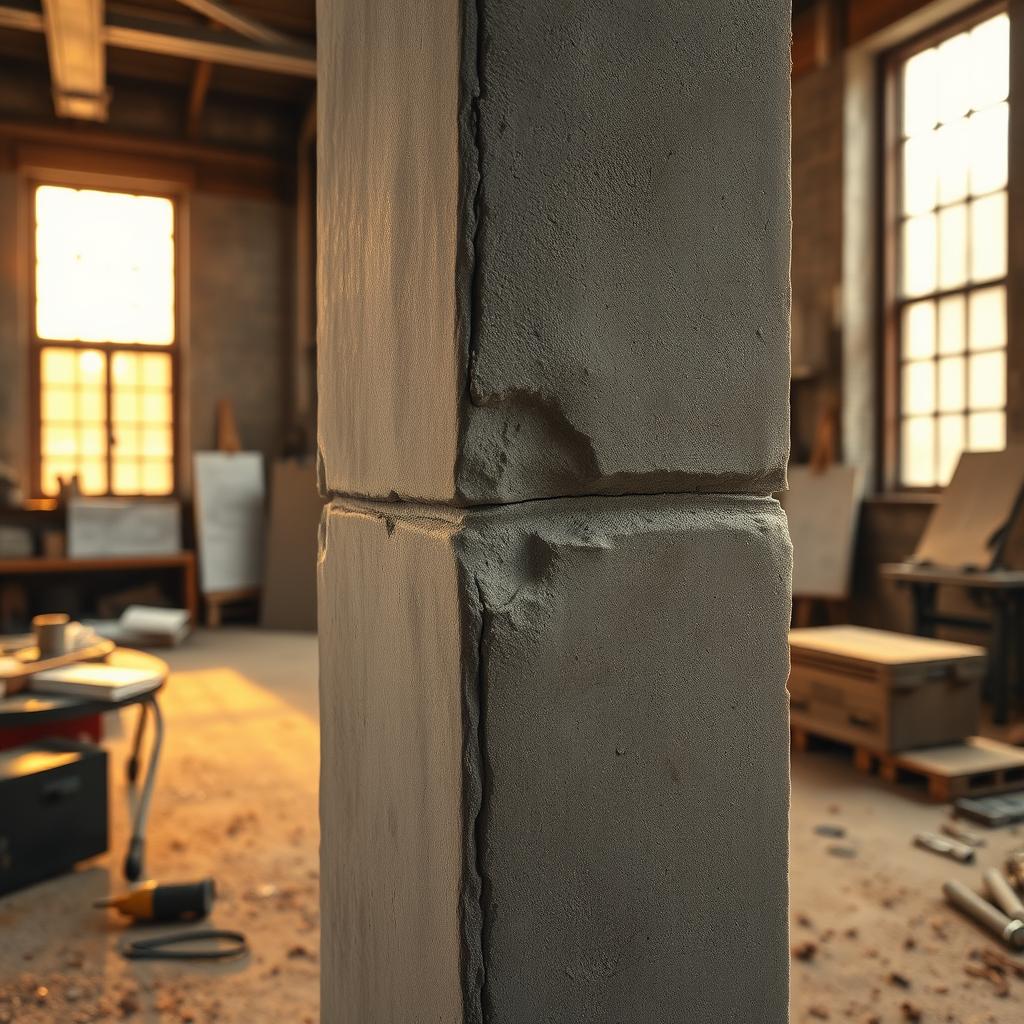
Control joints are particularly important in concrete structures, where the material can expand and contract due to temperature changes. By having these joints, builders can minimize the chances of unsightly or structurally damaging cracks.
Unlike expansion joints, which are meant to accommodate movement in structures, control joints are focused solely on managing stress within the material itself. This difference is crucial for engineers and architects to understand.
Installation of control joints occurs at specific intervals, depending on the type of structure and the materials used. Skilled professionals assess each project to determine the best placement.
Besides controlling cracking, these joints can also contribute to the aesthetic appeal of a finished surface. By strategically placing control joints, the overall look of concrete work can be enhanced.
In summary, control joints are an essential element in construction, ensuring structural integrity and visual appeal. Through clever design and implementation, they prevent cracking and extend the lifespan of concrete structures.


0 Comments