
Exploring the Different Types of Aggregates in Construction
Aggregates are essential materials used in construction. They provide bulk to concrete and play a vital role in the structural integrity of any construction project. Understanding the different types of aggregates is crucial for builders and engineers.
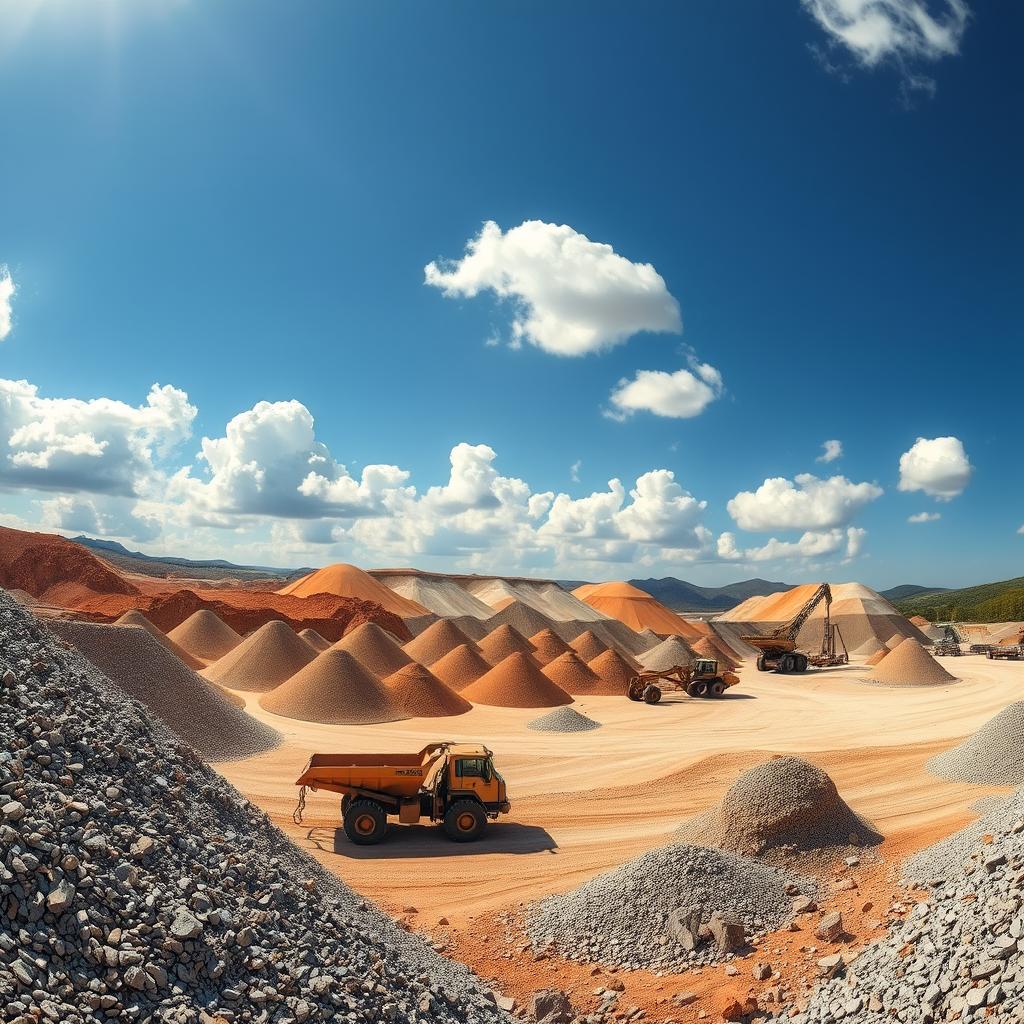
There are two primary types of aggregates: **fine aggregates** and **coarse aggregates**. Fine aggregates consist of particles smaller than 4.75 mm. They usually include sand, stone dust, and silt.
Coarse aggregates, on the other hand, contain larger particles, generally ranging from 4.75 mm to 50 mm. Common examples include gravel and crushed stone. Both types serve different functions in various construction tasks.
Fine aggregates help in filling voids and stabilizing concrete. They improve the workability of the mix and ensure a smoother surface finish. This is important in decorative works as well.
Coarse aggregates add strength and bulk to concrete mixes. They are essential for load-bearing structures and help resist compression forces, contributing to the overall durability of the construction.
In addition to fine and coarse aggregates, there are also specialty aggregates. These include recycled aggregates, lightweight aggregates, and heavyweight aggregates, each designed for specific uses in construction.
Recycled aggregates, sourced from demolition debris, are eco-friendly options that reduce waste. Lightweight aggregates, made from materials like expanded clay, enhance insulation, while heavyweight aggregates are used for radiation shielding in specific applications.
In conclusion, understanding the types of aggregates is pivotal for efficient construction. Choosing the right type ensures better performance, sustainability, and longevity in building projects.


0 Comments